
The Art of Making It Work: What It Takes to Own a Gallery in Rockport, Massachusetts
In September 2023, The New York Times published an article titled How to Start an Art Gallery, examining the realities of running a gallery in New York City. The piece walked readers through everything from finding space and paying rent to building a roster of artists, hiring staff, cultivating collectors, and navigating unexpected expenses. While the article focused on Manhattan’s art market—with its eye-watering rents and intense competition—it raised a broader question: what does it take to successfully operate an art gallery in an art colony like Rockport, Massachusetts?
With more than a century of artistic tradition, Rockport presents a very different environment than New York City. Here, gallery owners are less likely to be managing teams of directors, art handlers, and registrars. Yet many of the same challenges remain: finding the right space, attracting visitors, building relationships with artists and collectors, and balancing creativity with business realities.
To explore that question, we spoke with two Rockport gallery owners at different stages of their journeys—established painter and gallery owner Jon Swart and newcomer Mary Booras, owner of Thalassa, which opened in June 2026. Their experiences reveal two different paths to the same dream.
A Town Built by Artists
Before examining today’s gallery landscape, it’s worth remembering that Rockport’s artistic roots run deep.
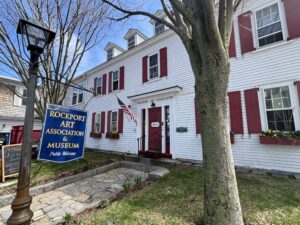
The Rockport Art Association & Museum (RAA&M) traces its origins to 1921, when a group of artists led by renowned painter Aldro Hibbard organized the association for the purpose of exhibiting their work. The first exhibition was held in the vestry of the Old Sloop Congregational Church. By 1929, the organization had purchased the historic Old Tavern at 12 Main Street—still its home today—and transformed it into a center for artistic life.
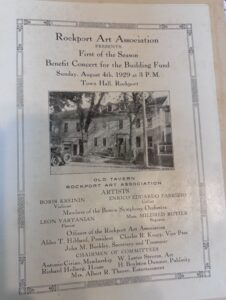
The Old Tavern itself was constructed some time before 1787. Originally a small gambrel-roof house, it was expanded into a tavern before eventually becoming the headquarters of the Rockport Art Association. In the 1930s, an exhibition hall was added behind the tavern, featuring soaring windows that flood the galleries with natural light. Contemporary newspaper accounts described the new gallery building as “glistening now in white paint and green trim,” surrounded by a lawn and rows of purple petunias.
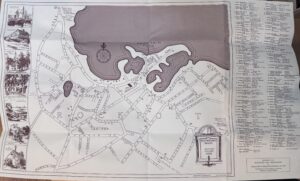
Rockport’s reputation as an art destination was already firmly established. A map of artist studios from 1929 reportedly documented an astounding 88 artist studios in town—a remarkable number for a small coastal community. Sunday and Wednesday afternoon teas hosted by featured artists brought visitors and artists together, while concerts, exhibitions, and social gatherings reinforced Rockport’s role as one of America’s premier art colonies.
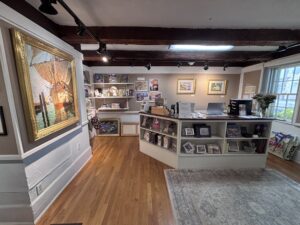
Today, according to Executive Director Kristin Czarnecki, the organization serves approximately 300 juried members and 300 contributing members, which support the 40 plus galleries that currently reside in Rockport. Its mission remains remarkably consistent with its early years: fostering artistic creation, encouraging public engagement with the arts, maintaining a museum collection, and supporting artistic excellence. Through exhibitions, networking opportunities, educational programming, and member benefits, the RAA continues to serve as an important pillar of Rockport’s creative community.
Following a Dream by the Water
For Jon Swart, owning a gallery in Rockport represented the fulfillment of a lifelong ambition.
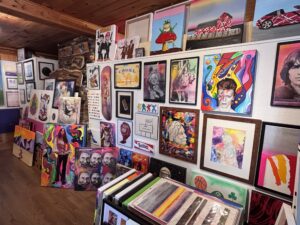
Swart has been making art for as long as he can remember. Before coming to Rockport, he spent six years selling work in Provincetown, often outdoors and rent-free. Having grown up visiting Rockport, he recognized it as one of the few remaining New England coastal art colonies where an independent artist could realistically build a gallery-based business.
Nine years ago, a friend alerted him to an available gallery space. He hesitated before calling.
“I waited a few days,” he recalled. “I didn’t want to find out it wasn’t available or that I couldn’t afford it. I didn’t want to ruin the fantasy.”
One phrase from that period became his personal mantra: “I heard the sunsets are beautiful in Rockport.” Years later, he still lives by it.
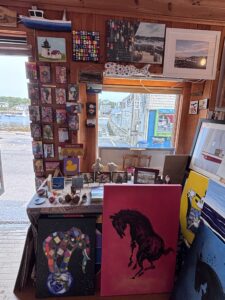
Unlike many galleries highlighted in the New York Times article, Swart operates a highly streamlined business. His gallery features only his own work. He has no employees. He handles sales himself. He spends six months working intensely during the tourist season, allowing himself considerable flexibility during the winter months.
For Swart, independence is everything.
One challenge gallery owners seldom discuss, he noted, is the uncertainty that comes with leasing rather than owning a building. Even when a lease begins under favorable circumstances, a property sale can suddenly introduce a landlord with a different vision.
His skepticism extends beyond real estate. While many galleries increasingly rely on online sales, Swart remains committed to in-person transactions. An unpleasant experience with an online platform led him to discover unauthorized copies of his artwork circulating elsewhere, reinforcing his preference for selling directly through his gallery.
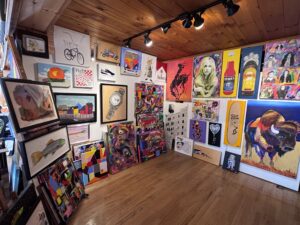
Despite the challenges, he has never seriously considered doing anything else.
“Too easy for me,” he said. “I meet people. I connect.” That critical connection between artist and collector has greatly aided in his success.
His advice to younger artists reflects decades of experience. Focus on the work. Avoid overspending on advertising. Don’t assume every promotional opportunity is essential. Most importantly, don’t become distracted from the business of actually creating and selling art.
Building Something New
Where Swart’s story is one of long-term independence, Mary Booras represents a newer generation of gallery owners building businesses around a broader vision.
Her gallery, Thalassa, opened in June 2026 following a ribbon-cutting ceremony on June 18 and an official reception on June 26.

The concept began during the pandemic as a lifestyle brand and online business inspired by the ocean. With a background in art history and a love of personal interaction, Booras eventually realized she wanted more than pop-ups and e-commerce.
“I wanted a brick-and-mortar location,” she explained.
Although she explored opportunities in Salem, Beverly, Gloucester, and Rockport, Rockport ultimately stood out. The combination of galleries, performance arts, music, crafts, and artistic history created an ecosystem unlike anywhere else on the North Shore.
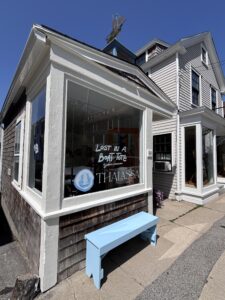
The search for a suitable property took nearly a year.
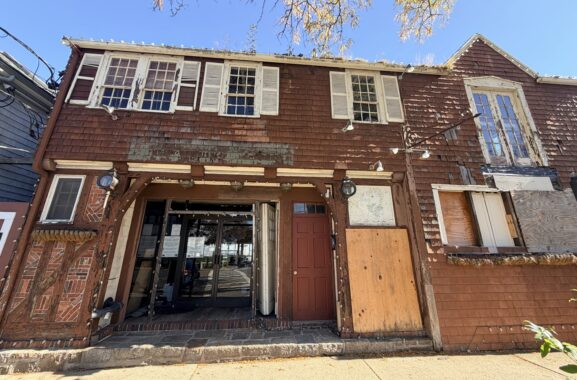
Like the gallery owners profiled in the New York Times, Booras discovered that finding the right space is often the first—and perhaps most important—challenge. Rather than leasing, she chose to purchase a mixed-use property containing gallery space and rental units. Ownership provides a measure of stability while the rental income helps offset gallery expenses.
That diversification strategy reflects a practical understanding of gallery economics. The Times article noted that galleries often experience significant revenue swings from month to month. Booras approached the challenge similarly, planning to operate Thalassa seasonally from June through December and convert the gallery into a studio rental during the quieter winter and spring months.
She also credits organizations like SCORE, which provides free mentoring to entrepreneurs, for helping navigate the realities of starting a business.
“Everything takes more time and money than you expect,” she said.
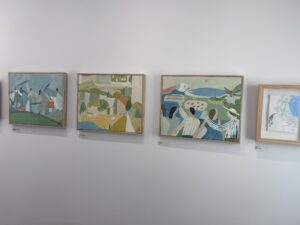
When selecting artists and artwork, Booras relies largely on instinct.
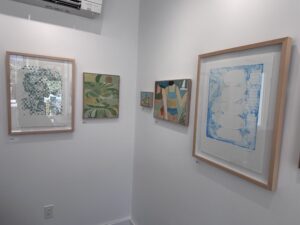
She gravitates toward original work, particularly illustrative pieces and works on paper that surprise and excite her. Although she is a non-practicing artist herself, she views curating as a creative endeavor.
The gallery’s coastal focus is deeply personal. Having grown up around the ocean and spent time at a family summer cottage on the New England coast, she wanted to combine two lifelong loves: art and the sea.
Her advice to aspiring gallery owners is simple.
“Don’t wait. Do it.”
Mistakes are inevitable, she believes, but allowing imposter syndrome to stand in the way is often the greatest risk of all.
An Art Colony That Still Works
The New York Times article concluded that gallery ownership often comes down to a simple motivation: helping people discover artists they love.
That motivation resonates strongly in Rockport.
For more than a century, artists have been drawn here by the harbor, the light, the landscape, and the creative energy that continues to define the town. Some, like Jon Swart, build highly independent businesses centered on their own artistic practice. Others, like Mary Booras, create spaces that introduce visitors to a broader community of artists and makers.
Supporting both approaches are institutions like the Rockport Art Association & Museum, local co-ops, community events, art walks, and a culture that has long embraced creativity.
The economics may differ from Manhattan. The scale is certainly smaller. Yet the reasons remain remarkably similar.
People open galleries in Rockport for the same reason they do in New York City: because they believe in art, believe in artists, and want to share something they love with others.
And in a town that has been doing exactly that since 1921, they continue to find ways to make it work.